Performance Max, also known as PMax, was launched by Google as a smart, automated way to manage campaigns. One campaign that serves all channels. Less work, more reach. That sounds attractive, especially for webshops with growth ambitions. Yet in practice many business owners turn out to lose money with this campaign type. The return disappoints and control is missing.
This blog explains why Performance Max often underperforms. It also gives practical advice for running it profitably after all.
What is Performance Max?
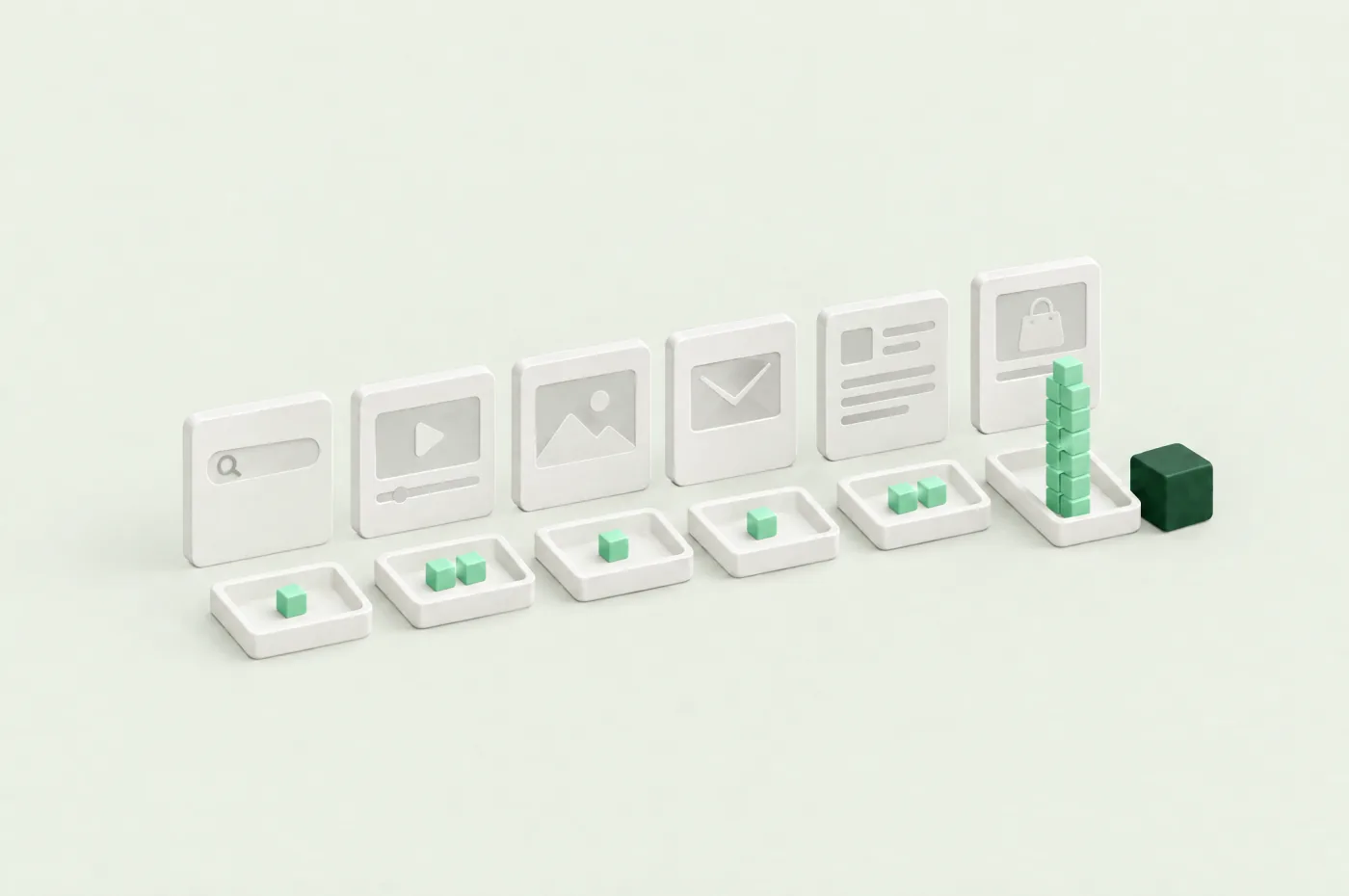
Performance Max is a campaign type within Google Ads that combines several channels. One campaign shows ads via Search, Display, YouTube, Gmail, Discover and Google Shopping. The input comes from the advertiser, in the form of texts, images, videos and possibly a product feed. The algorithm then decides for itself where, when and to whom the ads are shown.
All of this happens on the basis of machine learning. Instead of manual settings, the system tries to learn automatically what works. That saves time, but it also means part of the control disappears.
Why many webshops lose money with Performance Max
Despite the promise of simplicity and automation, there are several reasons why campaigns deliver little in practice. Below are the most common pitfalls.
1. Limited insight into performance
One of the biggest drawbacks of Performance Max is the lack of transparency. Advertisers often cannot see on which search terms ads appear or which channel uses the most budget. This makes it hard to tell whether a campaign is actually effective.
With regular search campaigns it is possible to see exactly which terms deliver results. With Performance Max that insight stays limited. This makes it hard to steer, especially for webshops that want to optimise in a targeted way.
2. Budget shifting to Shopping
In many cases the largest part of the budget is automatically assigned to Shopping ads. Shopping is often the most direct and conversion-focused channel within Performance Max, so the system tends towards it by itself.
However, this means other assets, such as Display or YouTube, are hardly shown. As a result, channel use stays limited, while the expectation is that the campaign is spread across several networks.
3. Mediocre input leads to poor output
Performance Max only performs well if the input is of high quality. That means catchy headlines, convincing descriptions, professional images and possibly videos. In practice, generic texts and mediocre visuals are often used. The result is that ads appeal to few people.
The algorithm does try to optimise, but it stays bound to the material available. When the input is not well matched to the target audience, the result disappoints. There are no clear warnings or quality checks as with other campaign types.
4. A poorly set up product feed
For webshops, the product feed is one of the most important parts of a Performance Max campaign. Yet it is often exported automatically from the CMS without checking the content. Titles are vague, descriptions are missing or categories are wrong.
A poor product feed leads to disapprovals, low visibility and ultimately missed sales. The problem is often not noticed straight away, because Performance Max simply keeps running. The return drops unnoticed.
5. Wrong conversion settings
Without good conversion settings, Google does not know what to steer on. In many accounts, forms, clicks or time on site are marked as conversions. That may sound useful, but it distracts from the real goal: sales.
The algorithm optimises on the basis of this data. When the system thinks a page view is as valuable as a purchase, bids are tuned to that as well. That leads to inefficient spending of the budget.
6. No campaign splitting
Performance Max does not lend itself easily to being divided. Still, it is wise to set up several campaigns, for example per product category or brand. This gives more control over budget distribution and makes it possible to analyse better which parts perform well.
Many webshops keep everything in one campaign. This creates internal competition between products or brands. Budget then goes to the most popular item, while other products get too little attention.
7. Not using the available data
Although Performance Max shows less data than regular campaigns, valuable information is still available. Think of impression share, conversion rates per asset group or ROAS per campaign.
In practice this data is often not used. The campaign runs automatically and evaluation is left out. As a result budget keeps leaking away, while small adjustments can already bring a lot of improvement.
How Performance Max does pay off
Despite the limitations, Performance Max certainly offers opportunities. With good preparation, a smart set-up and regular checks, it is a powerful way to increase sales and reach.
1. Improve the input
Supply high-quality assets. Think of professional product photos, clear and attractive headlines, informative descriptions and videos that show the products well. The better the input, the more the system can optimise.
2. Optimise the product feed
Use a tool such as Channable to improve the product feed. Add keyword-focused titles, update stock and prices, and make sure products are in the right category. A good feed leads to more impressions, better matches and lower click prices.
3. Measure the right conversions
Set clear conversion goals and attach values to them. A purchase of 10 euros is something different from an order of 500 euros. Google can only take this into account if that data is set up properly.
Use Google Tag Manager or server-side tagging to measure everything accurately. When the algorithm learns what really matters, it automatically gets smarter at allocating budget.
4. Work with several campaigns
Split campaigns into logical groups, such as brands, product categories or audiences. This gives more insight and grip. Budgets can be divided per campaign, performance is easier to analyse and successful parts can be scaled up faster.
5. Analyse and adjust
Schedule a monthly moment to evaluate campaigns. Look at the available data and adjust ads, budgets or settings where needed. Even within the limits of Performance Max there are always optimisation options.
Conclusion
Performance Max is not a miracle cure. Anyone who runs it as plug-and-play without preparation risks losing money. But anyone who understands the system, supplies strong input and adjusts regularly can get a lot of profit out of it.
For webshops it is especially important not to see Performance Max as a replacement for strategy, but as a tool within that strategy. By keeping a grip on assets, data and structure, Performance Max becomes a valuable addition to the marketing arsenal.
Want to know more about how Performance Max can be used effectively in your webshop? Send us a message.
In 30 minutes we look at your current approach: website, campaigns and findability as one whole. You talk directly to a specialist, not an account manager.