



How do you get your brand or website into the results of AI platforms like ChatGPT?
This blog explains how AI platforms get their information, what you can and cannot influence, and how businesses can prepare for this new form of visibility.
Campaigns
Google, Meta and LinkedIn, steered by a specialist.
Findability
Being found in Google and in ChatGPT, Perplexity and Gemini.
Websites and software
Websites, webshops and software on Webflow, EmDash or Medusa.
AI and automation
AI applications and automations that take work off your hands.
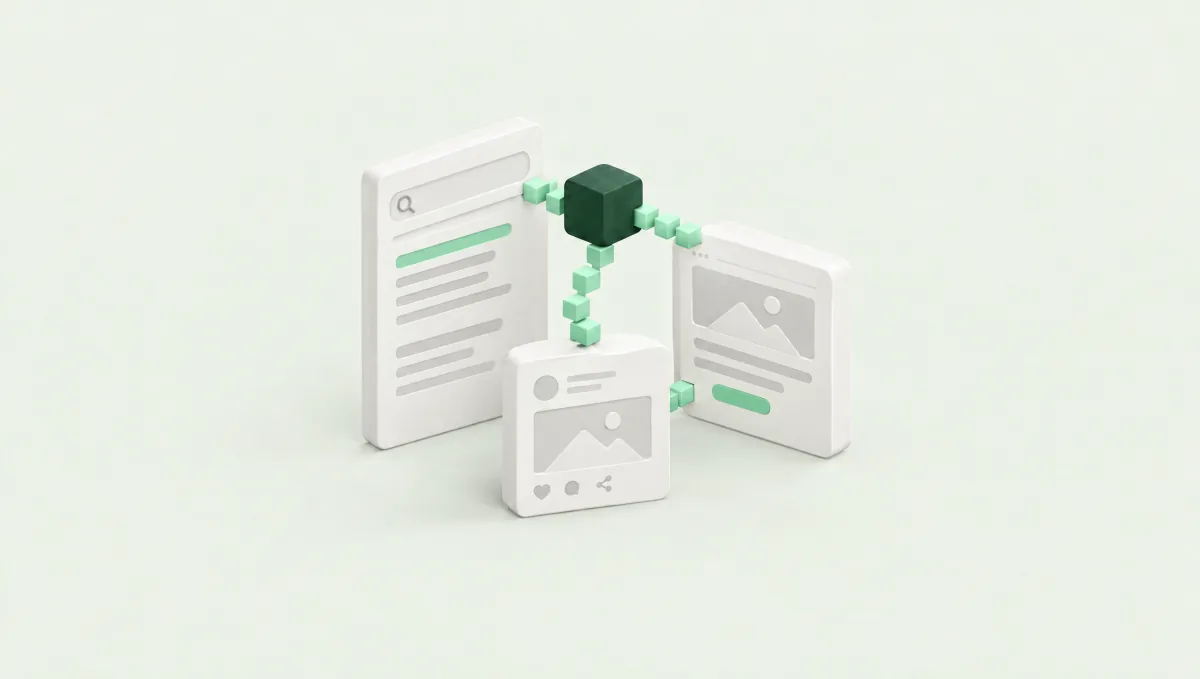
Online marketing is only truly effective when all parts fit together. Not as separate elements, but as an integrated system in which every channel contributes to visibility, trust and conversion. This blog explains how SEO, SEA and social media can strengthen each other, as long as they are combined strategically.
Many businesses use online marketing channels without any coherence between them. SEO is used for findability, ads for direct conversion and social media as a supplement to the rest. The result is that these tools are often used as loose cannons. There is traffic, there are clicks, but the whole delivers too little.
Online marketing is only truly effective when all parts fit together. Not as separate elements, but as an integrated system in which every channel contributes to visibility, trust and conversion. This blog explains how SEO, SEA and social media can strengthen each other, as long as they are combined strategically.
Search Engine Optimisation focuses on improving findability in search engines. Through good content, technical optimisations and a logical site structure, a website becomes more visible on relevant search terms. SEO works like an investment: it takes a while before results show, but in the long run it builds lasting visibility.
Good SEO brings not only more visitors, but also greater credibility. When a company is regularly visible on informational and product-focused search terms, it is automatically seen as an expert in its field. That status contributes to trust, something that is essential in the customer's decision phase.
Search Engine Advertising covers paid ads in search engines such as Google and Bing. The big advantage of SEA is direct visibility on relevant search terms. Where SEO needs time, SEA produces traffic almost immediately. It also offers full control over targeting, budget and timing.
SEA is ideally suited to businesses that want to steer on return. With campaigns optimised for return on ad spend (ROAS), webshops can grow in a scalable way. It is also a useful channel for testing keywords that can later be included in SEO strategies.
Social media has a double function in the marketing mix. On the one hand there is the organic side: posts on platforms such as Instagram, LinkedIn or TikTok that give a company's brand substance. This form of communication is aimed at visibility, reliability and interaction. It shows who is behind the brand and what its values are.
On the other hand there is social advertising: paid campaigns on the same platforms. These campaigns are often strongly conversion-focused and are used to approach specific audiences with targeted offers, retargeting or product promotions. Social advertising therefore plays a direct role in generating revenue.
By combining these two sides well, social media becomes a channel that delivers not only reach and engagement, but also contributes to conversion.
The strength of an integrated approach lies in repetition, recognition and the trust that comes from consistency. Someone discovers a brand through a blog, sees an ad in Google a few days later, recognises that same brand on Instagram and finally lands on the website again through a retargeting campaign. That sequence of touchpoints raises the chance of conversion considerably.
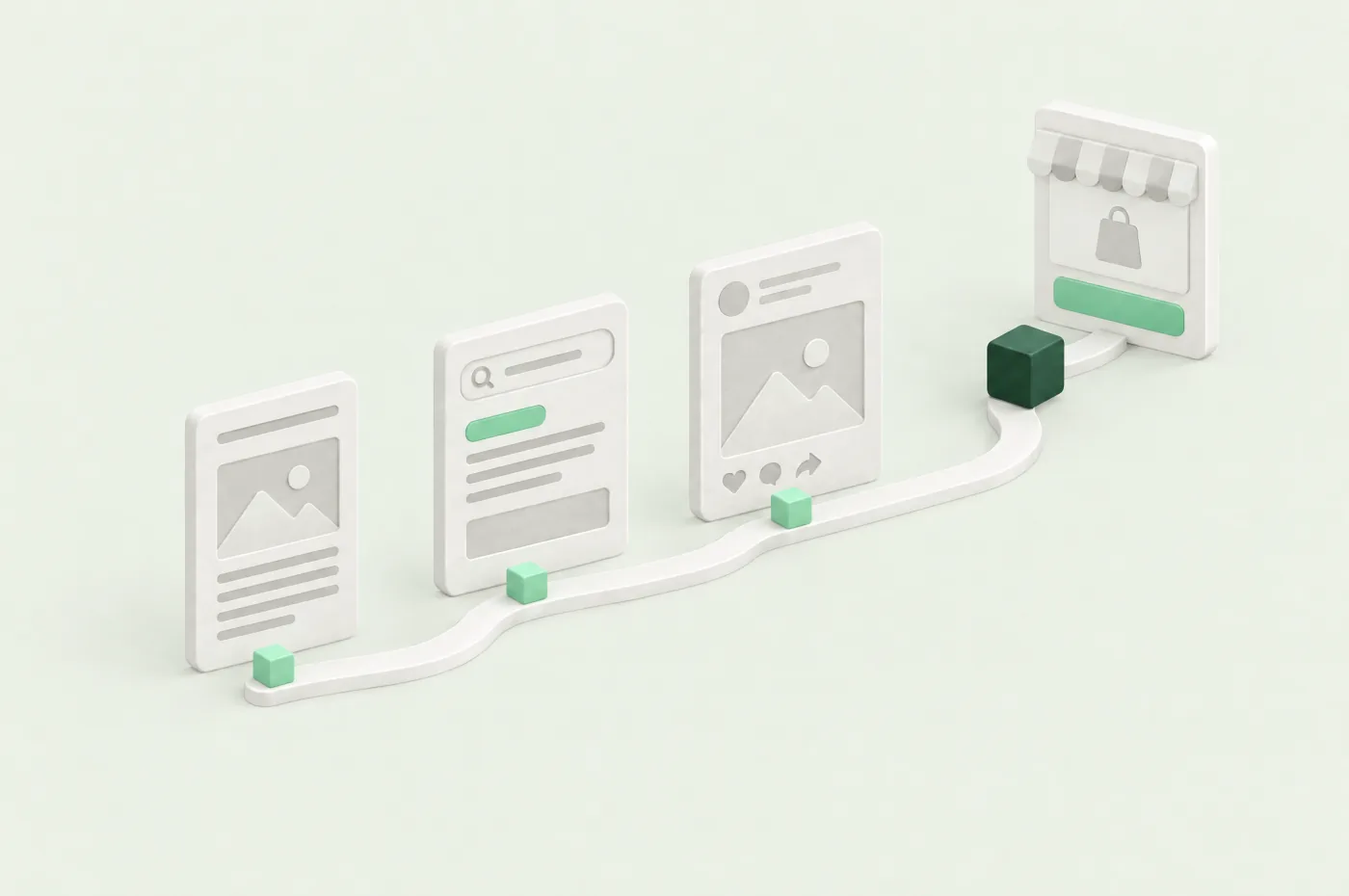
Instead of relying on one channel, you build a network of touchpoints. Each channel picks up visitors in a different phase of the customer journey and reinforces the earlier impressions. That leads to more trust, higher click-through rates and better results.
One of the biggest mistakes in online marketing is using separate channels without coordinating them. Think of a webshop that runs ads but has no landing pages optimised for conversion. Or a company that publishes blogs without ever linking social posts to them. Even well-executed campaigns can then underperform, simply because there is no coherence.
The insights from one channel are also often not used to improve another. While keyword data from SEA, for example, can be a great help when writing SEO content. Or successful social posts can provide input for new ad campaigns.
Another point of attention is consistency in brand image. When a company comes across as professional on the website, but communicates sloppily or incoherently on social media, noise arises. That noise makes it harder to build trust and slows down conversion.
It all starts with insight into the customer journey. What route does the target audience take from awareness to purchase? Where do they look for information? At which moments is there a need for confirmation or inspiration?
From there a strategy is built in which SEO, SEA and social media complement each other. SEO provides the information and authority. SEA provides targeted visibility and measurable conversions. Social media offers interaction, visibility and an extra layer of trust. The different channels are linked through consistent visuals, messaging and connections in tracking and reporting.
It is also important to collect data centrally. Not in separate tools, but in one dashboard where all channels come together. That way it becomes visible which combinations work well and where the gaps are. Only then can you adjust on the basis of real insights instead of assumptions.
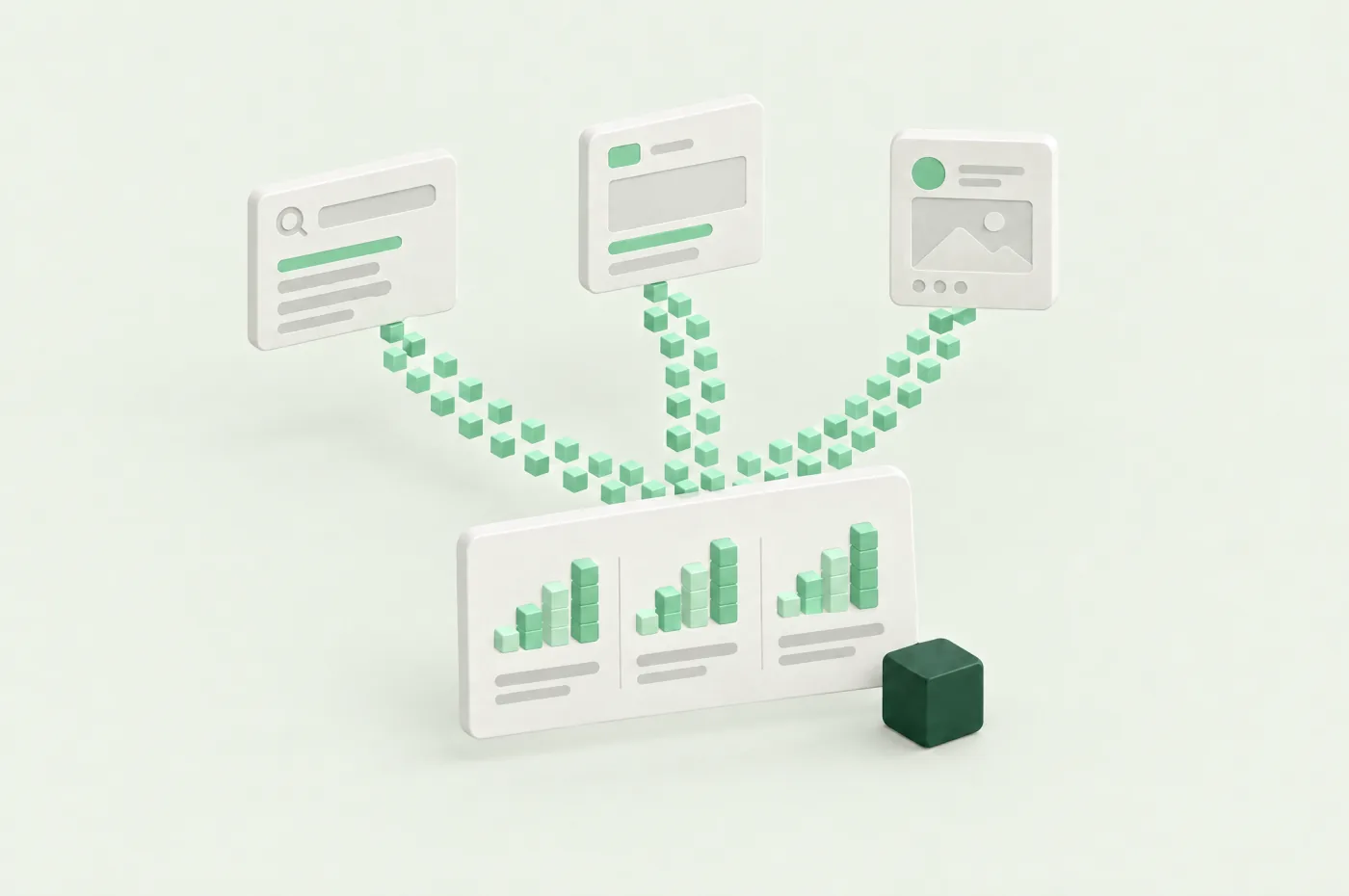
A successful online strategy is not about using one channel perfectly, but about the smart combination of several. SEO, SEA and social media each have their own strength, but only become truly valuable when they reinforce each other. That calls for a well-thought-out approach, clear positioning and consistent communication.
Businesses that set this up well build not only reach, but also recognition, trust and growth. Not by shouting louder, but by working together more smartly within their own marketing mix.
In 30 minutes we look at your current approach: website, campaigns and findability as one whole. You talk directly to a specialist, not an account manager.
Or get in touch directly: info@talkpixels.nl 085 - 06 01 201
We'd love to remember your preferences. You decide which cookies are okay.
We use cookies to improve your experience. Choose which categories you allow. You can change this at any time.